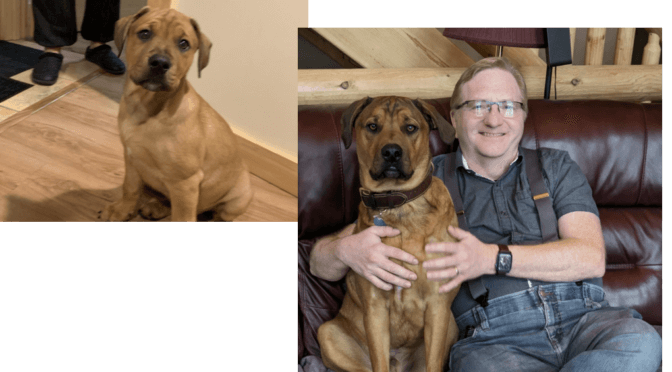
Irene and I adopted Finn at the end of 2022. He was about 11 weeks old when we got him, born at the end of August (August 29). At the time he was about 6 or 7 kilos. His adoption was not really planned, but it worked out.
2023 was a difficult year for us. It was a year that made me suddenly feel very old and fragile. I’m still coming to terms with a lot of what happened.
Say hello to our newest family member: Finn, a dog, or more accurately a puppy. This picture is from when we first got him: he was about 11 weeks old at the time.
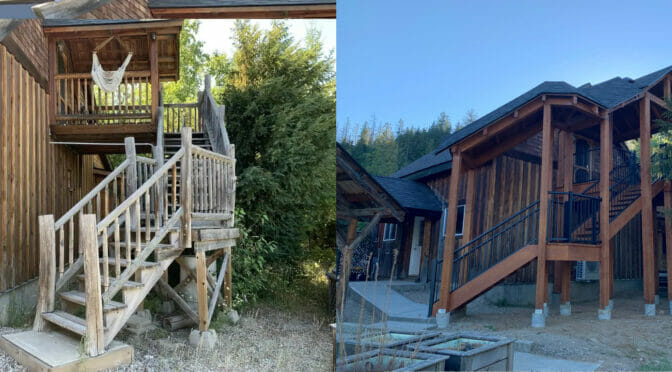
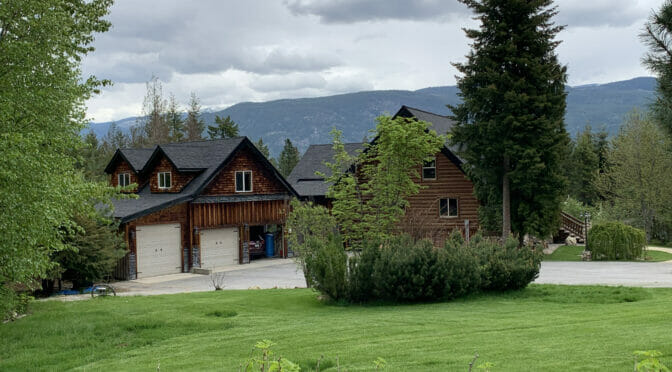
Irene and I had several ‘priorities’ regarding maintaining our new home from the day we bought it. Some were ‘mandatory’: for example, we had to replace the aging but still fully functional hot water tank in order to get house insurance. Others were ‘urgent’, and at the top of that list was the outdoors stairway to my office above the garage.
I had planned on posting something new about our stairway construction by now, an upgrade that was already delayed from 2021. Unfortunately that still isn’t done despite being ‘in progress’ since the beginning of May.
Instead, I’ve decided to post some pictures from around the house and a few words about how the year has gone. Most of the pictures have already made an appearance on Facebook- apologies for folks who follow me there as well. But the words are mostly ‘new’…
I’m configuring a new PC for Irene. I’d love to move her to macOS, but she has too much ‘history’ with Windows. So I went with this:
I bought it a month ago- when it wasn’t ‘unavailable’
A neat little computer- the Msecore machines have a good reputation as a ‘no-name’ brand. But there was definitely some strangeness in setting it up, which ultimately I blame on Windows 11 and its ‘secure BIOS’ technologies.
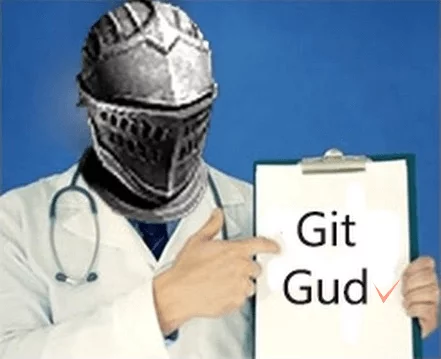
Elden Ring is a new game from FromSoftware. They are famous for their ‘Souls’ games that established a whole genre of their own: games with gigantic boss enemies and unforgiving combat. Basically, these games were the origin of the ‘git gud’ meme.
Elden Ring is that “Souls-like’ concept writ large. I have proven once again that I don’t like this style of gaming: but once again it taught me some things about why. It isn’t because I’m ‘not good’ or don’t know how to play. I’ve been playing computer games for over 40 years and, although I’m not claiming any great skill, I can work out the basics. Elden Ring just appeals to a very specific player which isn’t me.
I’m still a few years away from retiring, but the years pass fast- and I’m definitely looking forward to it.
Retirement scares some people. What will they do, they wonder, when every day isn’t filled with the job that currently occupies their time? How will they define their value in the world? Some of these folks retire, then pass away a year or two later. Or sit in their house, watching sitcoms and gradually wasting away.
I don’t think I’m really like that. I’ve had things I want to do, things I want to learn and experiment with, for decades. Not to make money or ‘prove’ myself: that’s what a job is for in my mind, I guess. Just things that interest me, that likely produce little obvious value. I’ve even tried to work time for these into my life pre-retirement, but have never been able to balance them with my job.
I have had an Xbox since not long after they first came out: back when ‘Xbox’ was the entire name of the console. I’ve been on the Xbox Live service nearly as long: over 16 years.
So it goes somewhat without saying that I wanted to get the latest iteration of the console: the Xbox Series X. Unfortunately the global chip shortage for ‘advanced’ technology components meant that getting one wasn’t so easy. The Xbox Series X was (and still is) very hard to come by: any that appeared online were bought up in seconds, and then offered for sale via Ebay or Amazon ‘resellers’ at several times their retail cost. I fought this battle for about six months in ever-increasing frustration.
My Xbox Series X: before I realized it was defective
I finally got an Xbox Series X in November via the ‘All Access’ program: more on that later. A month later I realized my fancy new console was defective. This is my story.
The snowfall this year in Castlegar has been a bit…much. I’ve given my lawn tractor’s snowblower a good workout.
But memory is a fickle thing: our brains edit and generate content to create a story. So I decided to post a few comparison photos of our new Kootenay winter life.